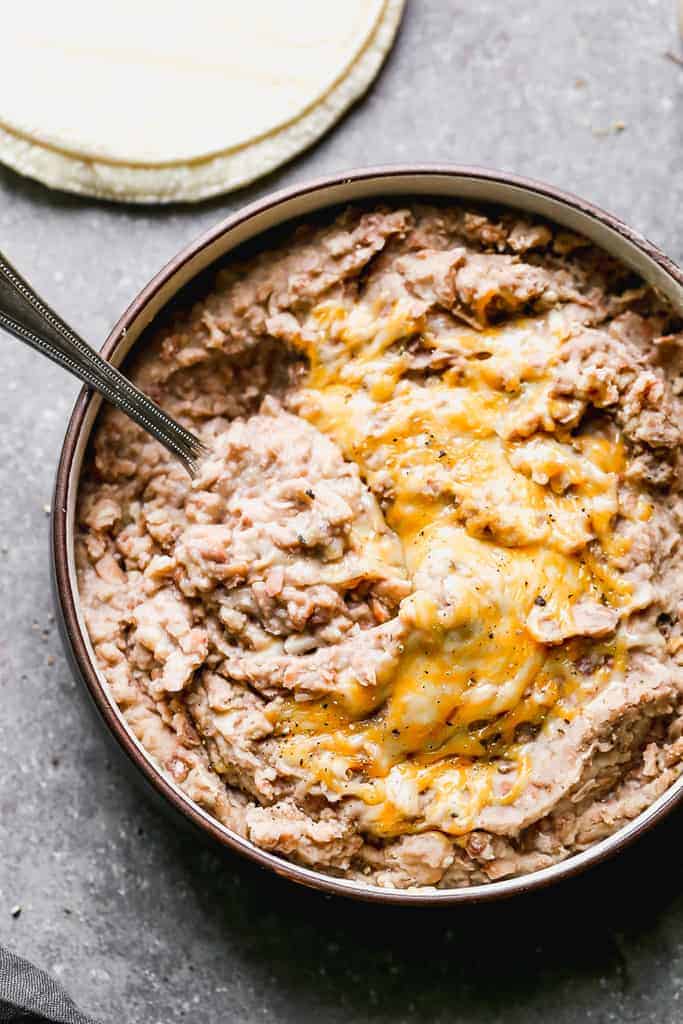
Healthy Homemade Refried Beans: Your Gateway to Authentic Flavor and Smart Savings
Imagine a dish that’s a cornerstone of Mexican cuisine, surprisingly simple to make, incredibly delicious, *and* significantly healthier and more economical than its store-bought counterpart. We're talking about homemade authentic refried beans. Often relegated to a canned side dish, refried beans from scratch are a revelation, transforming a humble pantry staple into a rich, creamy, and deeply satisfying experience that will make you rethink everything you thought you knew about this beloved food. Forget the gelatinous, overly salty canned versions; homemade is where the magic truly happens, offering an unparalleled taste and texture that truly "rocks your world."The Myth & Magic of "Refried" Beans: Understanding Frijoles Refritos
The term "refried beans" is a common translation, but it often leads to a misunderstanding of this iconic Mexican dish. In Spanish, they are called frijoles refritos. While "re" in English typically implies doing something again, in Mexican Spanish, the prefix "re" is frequently used for emphasis. Therefore, frijoles refritos doesn't mean "fried twice beans," but rather "very well-fried beans." This distinction is crucial, as it highlights the cooking process: the beans are simmered until tender, then expertly fried with aromatics until they achieve a wonderfully creamy yet slightly textured consistency. This careful "well-frying" process is what imparts their distinctive flavor and delightful mouthfeel, setting them miles apart from any hastily prepared imitation. Understanding this subtle linguistic nuance helps us appreciate the art behind truly authentic refried beans.Why Go Homemade? Beyond Just Taste and Health
The decision to make refried beans from scratch isn't just about culinary bragging rights; it's a conscious choice for better health, superior flavor, and smart financial management.- Unmatched Flavor and Texture: This is arguably the most compelling reason. Homemade refried beans, particularly those starting with dry beans, boast a depth of flavor and a creamy texture that simply cannot be replicated by canned versions. The slow cooking process allows the beans to fully absorb seasonings, developing complex notes that are entirely absent in pre-packaged alternatives. You control the seasoning, the consistency, and the richness, resulting in a dish that often surpasses even restaurant quality.
- Significant Health Benefits: Canned refried beans are notorious for their high sodium content and often contain added preservatives or unhealthy fats. By making them at home, you have complete control over every ingredient. You can choose heart-healthy oils (like olive or avocado oil), limit sodium to your preference, and avoid any artificial additives. This makes homemade refried beans a fantastic source of fiber, plant-based protein, and essential nutrients, supporting a balanced diet without compromising on taste.
- Remarkable Cost-Effectiveness: Dry beans are one of the most budget-friendly protein sources available. A pound of dry pinto beans, which will yield a substantial amount of refried beans, costs a fraction of what two cans of prepared beans would. Over time, these savings truly add up, making homemade a savvy choice for anyone looking to stretch their grocery budget without sacrificing quality or nutrition.
- The Joy of Cooking from Scratch: There's an undeniable satisfaction in preparing food from its most basic components. From soaking the dry beans to mashing them to your desired consistency, the process is therapeutic and rewarding. It connects you to culinary traditions and allows you to put love into every dish you serve your family.
The Cornerstone of Authenticity: Starting with Dry Beans
The "secret ingredient" to truly authentic and delicious refried beans isn't a rare spice or a complex technique; it's simply starting with dry beans. While canned beans offer convenience, they fall short on flavor and, crucially, texture. The way dry beans cook down, releasing their starches and forming a naturally creamy base, is fundamentally different from the texture of pre-cooked canned beans. This is precisely how traditional Mexican refried beans have been made for centuries – a testament to the wisdom of our culinary ancestors. Pinto beans are the traditional choice for refried beans, offering a mild, earthy flavor and a wonderfully soft texture when cooked properly. However, black beans are also an excellent alternative, yielding a darker, slightly bolder flavor profile. Whichever you choose, the process begins with soaking your dry beans overnight. This crucial step rehydrates the beans, reducing cooking time and ensuring even tenderness. After soaking, the beans are typically simmered until they are incredibly soft and creamy – often much softer than you might cook beans for a soup or stew. This tenderness is key to achieving that smooth, mashable consistency that defines great refried beans. While it adds an overnight step, the active effort is minimal, mostly involving waiting and simmering. For a deeper dive into mastering this foundational step, you'll find invaluable insights in our article, The Secret to Authentic Frijoles Refritos: Dry Beans & Flavor. For those rare occasions when time is truly of the essence, you *can* use canned pinto beans (drained, reserving some liquid). However, be prepared for a noticeable difference in both flavor depth and the final texture. It’s a convenient shortcut, but it won't yield the same authentic experience.Crafting Your Perfect Batch: Simple Steps and Savvy Variations
Once your beans are perfectly cooked and tender, the transformation into refried beans is surprisingly quick and straightforward.- Sauté Aromatics: Start by heating a little oil (or a healthier fat alternative like avocado oil, if avoiding lard) in a large skillet or pot. Sauté finely minced garlic until fragrant. This forms the aromatic base of your beans.
- Add and Mash: Introduce your cooked beans to the pan, along with a good splash of their cooking liquid. This liquid is packed with flavor and vital for achieving the right consistency. Using a potato masher, the back of a sturdy spoon, or even an immersion blender (for a super smooth texture), begin to mash the beans to your desired consistency. Some prefer them mostly smooth, others enjoy a bit more texture.
- "Well-Fry" to Perfection: This is where the "refritos" part comes into play. Continue to cook the mashed beans over medium heat, stirring frequently. The goal is to allow the excess liquid to evaporate, concentrating the flavors and giving the beans a slightly caramelized, richer taste. They will thicken and become less watery, achieving that characteristic creamy yet firm consistency. Season generously with salt to taste.
The beauty of homemade refried beans lies not only in their fundamental simplicity but also in their adaptability. You can easily customize them to suit your palate:
- Cheesy Delight: Stir in your favorite shredded cheese (Monterey Jack, cheddar, or a Mexican blend) towards the end of cooking until melted and gooey. For an authentic touch, top with crumbled cotija cheese before serving.
- Spicy Kick: For a vibrant heat, finely dice a jalapeño pepper (remove seeds for less heat) and sauté it along with the garlic in step 1. You could also add a pinch of cayenne pepper or a dash of your favorite hot sauce.
- Veggie Boost: Finely chopped bell peppers (any color) can be sautéed with the garlic for added flavor, color, and nutrients.
- Black Bean Refried Beans: Simply substitute dry black beans for pinto beans at the beginning of the process for a distinct, earthy flavor.
For more detailed step-by-step guidance on bringing these variations to life, be sure to check out our article Master Authentic Refried Beans: Easier & Better Than Canned, which walks you through the entire process with expert tips.
Beyond the Bowl: Serving Suggestions and Storage Tips
Homemade refried beans are incredibly versatile and can elevate countless dishes. Of course, they are a classic side dish for tacos, burritos, and enchiladas. But don't stop there!- Spread them on tostadas or sopes for a quick and satisfying meal.
- Use them as a hearty filling for quesadillas or tamales.
- Layer them in a seven-layer dip or enjoy them simply as a bean dip with tortilla chips.
- Serve them alongside huevos rancheros for a traditional Mexican breakfast.
- Dollop them onto a plate as a base for grilled meats or vegetables.
